Natural England

Featured
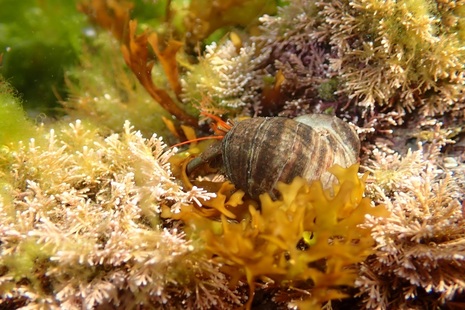
Weekend full of fun activities for the family. Includes unique opportunity to see the 200-year-old-plus Nereis Britannica by Cornish botanist John Stackhouse
Three board member terms extended
Connecting Shores podcast is part of Natural England’s Connecting People with Nature programme, which aims to tackle barriers of access to nature.

Natural England and Clinton Devon Estates announce extension to Pebblebed Heaths National Nature Reserve to promote natural connections and biodiversity.
Members of the public can attend a public drop-in session between 6pm and 9pm on Wednesday 7 February at the village hall in Snailbeach near Shrewsbury.
Natural England will support the delivery of measures to accelerate nature recovery, and improve access to the natural world
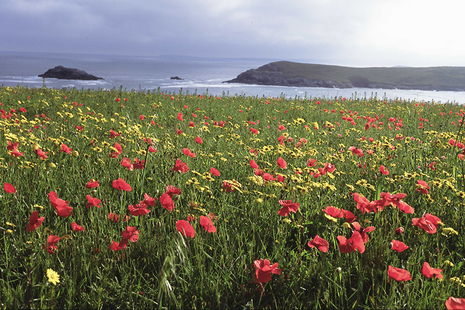
Latest from Natural England
What we do
We’re the government’s adviser for the natural environment in England. We help to protect and restore our natural world.
Natural England is an executive non-departmental public body, sponsored by the Department for Environment, Food & Rural Affairs.
Follow us
Documents
Transparency and freedom of information releases
Our management




Contact Natural England
Enquiries
County Hall, Spetchley Road
Worcester
WR5 2NP
United Kingdom
Telephone
0300 060 3900
March to September: call operating times are 10:00am to 4pm Monday to Friday (excluding public holidays)
October to February: call operating times are 10:00am to 3pm Monday to Friday (excluding public holidays)
Find out about call charges at www.gov.uk/call-charges.
Bats: general advice
Telephone (Bat Conservation Trust)
0345 1300 228
For licensing or planning and development queries, contact Enquiries on 0300 060 3900.
Biodiversity Net Gain (BNG) enquiries
Phone number
0300 060 3900
Bovine TB and badger control in England
Telephone
0300 060 0550
Commons
Telephone
0300 060 3900
To consult us about works on commons or arrange to send us your application for works.
National Nature Reserves
Telephone
0300 060 6000
Open Access Contact Centre
Telephone
0300 060 2091
Suspected wildlife or pesticide poisoning
Telephone
0800 321 600
Wildlife Incident Investigation Scheme (WIIS)
Head Office
4th Floor, Foss House
Kings Pool
1-2 Peasholme Green
York
YO1 7PX
United Kingdom
Telephone
0300 060 3900
The Enquiries team answer calls. Please tell them the name of the person you want to speak to, if known.
Please address all correspondence to our Worcester office: Natural England, County Hall, Spetchley Road, Worcester, WR5 2NP, United Kingdom.
Make an FOI request
- Read about the Freedom of Information (FOI) Act and how to make a request.
- Check our previous releases to see if we’ve already answered your question.
- Make a new request by contacting us using the details below.
Freedom of Information (FOI) and Environmental Information Regulations (EIR) requests
Natural England
County Hall
Spetchley Road
Worcester
WR5 2NP
United Kingdom
Corporate information
Jobs and contracts
Read about the types of information we routinely publish in our Publication scheme. Our Personal information charter explains how we treat your personal information. Read our policy on Social media use. Find out About our services.